CPM-20 Science session: Fostering plant health for safe provision of food and humanitarian aid
Date: Thursday 12 March 2026 | Time: 15:00–17:30 (CET) )
Venue: Plenary Hall, FAO Headquarters, Rome and online (web stream)
Languages: English with simultaneous interpretation in Arabic, Chinese, French, Russian and Spanish
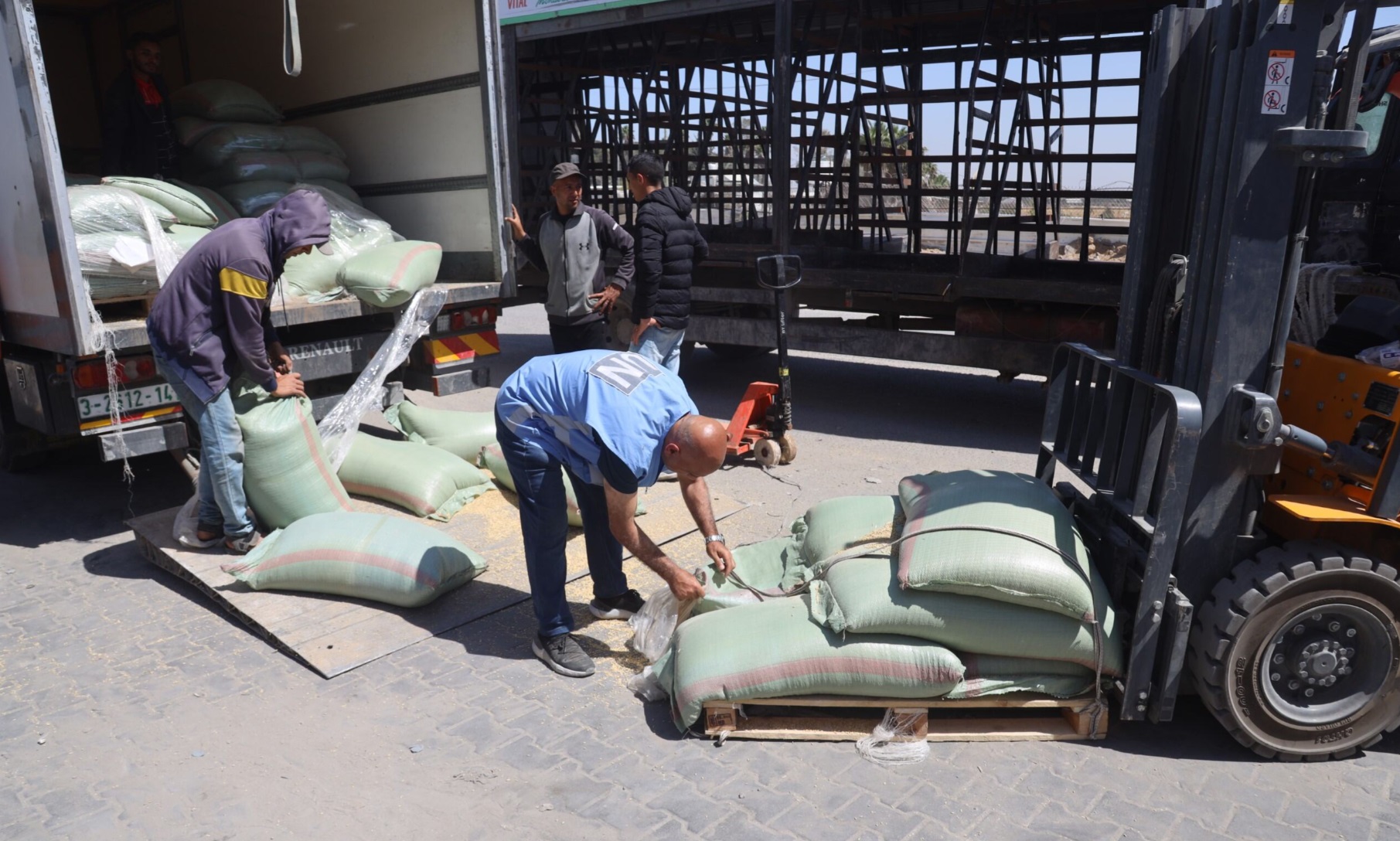
Humanitarian aid is vital for communities facing disasters, conflict, public health emergencies, food insecurity. Yet, despite its life-saving role, aid can also unintentionally introduce plant pests that threaten agriculture, ecosystems, economic growth and long-term community resilience. Often, in times of humanitarian crisis, national plant health authorities may face constraints in conducting full border inspections, increasing the risk of pests introduction.
To reduce this risk, all actors involved in humanitarian aid—donor countries, countries of origin, exporters and transit countries—must meet the phytosanitary import requirements of recipient countries before shipment, recognising the challenges that affected countries face in ensuring phytosanitary compliance.
Therefore, to ensure balance between preserving human life and preventing plant pests spread, the IPPC has adopted CPM Recommendation R-09 “Safe provision of food and other humanitarian aid to prevent the introduction of plant pests during an emergency situation” and is coordinating the drafting of an international standard to guide the safe movement of aid under the logistical challenges of emergencies. This science session will thus highlight the importance of addressing plant health phytosanitary risks associated with humanitarian aid, highlighting challenges, opportunities and strategies to apply the “Do No Harm” humanitarian aid principle. The session will also include case studies of plant pest introductions associated with humanitarian aid.
More information here.