
DESTACADO: Fortalecimiento de la certificación fitosanitaria digital mundial mediante la gobernanza y la sostenibilidad de la Solución ePhyto de la CIPF
Posted on mié, 24 Jun 2026, 07:17
© FAO/Vladimir Rodas
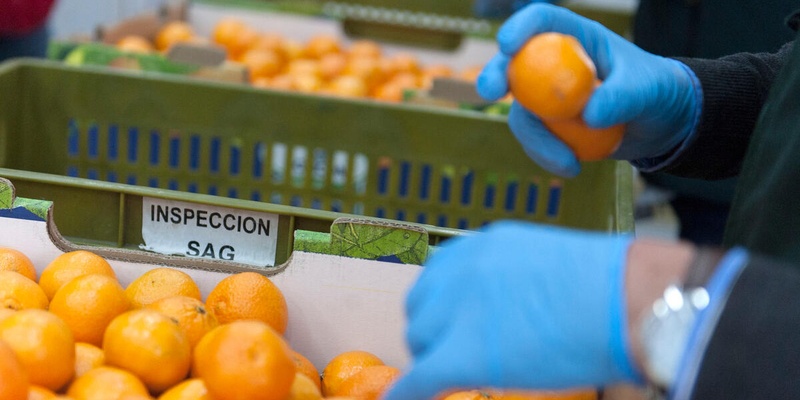
La solución ePhyto constituye un claro ejemplo de cómo la innovación digital está transformando la certificación fitosanitaria y el comercio internacional. Su rápida expansión ha puesto de manifiesto la necesidad de una gobernanza sólida y adecuada a su propósito para garantizar su sostenibilidad, la rendición de cuentas y una implementación coordinada.
Por ello, durante la 20.ª reunión de la Comisión de Medidas Fitosanitarias (CMF-20), celebrada en marzo de 2026, los delegados y miembros de la comunidad de la Convención Internacional de Protección Fitosanitaria (CIPF) reconocieron la creciente importancia de la solución ePhyto de la CIPF para promover un comercio internacional seguro y eficiente, y acordaron fortalecer su gobernanza, sostenibilidad e implementación.
Asimismo, destacaron que la solución ePhyto de la CIPF ya no es una iniciativa independiente, sino un servicio mundial esencial que requiere una gobernanza estable, procesos estructurados y recursos sostenibles.
En mayo de 2026, 151 países estaban registrados, más de 100 intercambiaban activamente certificados fitosanitarios electrónicos (ePhytos) y se intercambiaban más de 250 000 certificados cada mes a través del Hub ePhyto de la CIPF.
Fortalecimiento de la gobernanza para la sostenibilidad a largo plazo
La CMF-20 acordó establecer un nuevo órgano rector de ePhyto, que rendirá cuentas a la Mesa de la CMF. Este órgano proporcionará orientación estratégica y técnica sobre el desarrollo del sistema, la participación de las partes interesadas, la implementación y la financiación. El nuevo órgano sustituirá al actual Grupo Directivo de ePhyto y se espera que reúna representación regional y experiencia multidisciplinaria en implementación de normas fitosanitarias, desarrollo de capacidades, comercio, asuntos jurídicos y servicios de tecnologías de la información. Las nominaciones para integrar el órgano rector de ePhyto estarán abiertas hasta el 31 de julio.
Mejora de la gestión del cambio y del desempeño del sistema
Con el fin de respaldar el crecimiento continuo del sistema, la CMF-20 adoptó un proceso estructurado de gestión del cambio, que aclara cómo se priorizan y aprueban las actualizaciones y mejoras. Esta decisión responde al aumento de la demanda, ya que el servicio centralizado de apoyo atendió alrededor de 500 solicitudes en 2025, además de realizar múltiples intervenciones técnicas para mantener el funcionamiento del sistema. Los delegados subrayaron la importancia de contar con procesos transparentes y previsibles a medida que el sistema continúa expandiéndose.
La CMF-20 también acordó avanzar, sujeto a la disponibilidad de recursos, en una prueba de concepto para la armonización de las declaraciones fitosanitarias adicionales. Esta iniciativa tiene como objetivo reducir las ineficiencias derivadas de requisitos no estructurados y mejorar la coherencia en el intercambio de certificados.
Ampliación del apoyo a la implementación y al desarrollo de capacidades
La CMF-20 tomó nota de los avances en el fortalecimiento del apoyo a la implementación mediante un plan de trabajo revisado y una mejor coordinación por parte de la Secretaría de la CIPF. Asimismo, se presentó un nuevo conjunto de herramientas para la implementación de ePhyto, con el fin de estandarizar el proceso de incorporación de nuevos usuarios y facilitar la adopción del sistema por los países.
Entre las nuevas iniciativas figura un proyecto financiado por la Comisión Europea destinado a apoyar la implementación de ePhyto en países de África Central y Europa mediante un enfoque integrado de «transformación integral», que combina componentes técnicos, jurídicos y de desarrollo de capacidades a través de la Evaluación de la capacidad fitosanitaria, el Campus de Sanidad Vegetal de la CIPF y la Solución ePhyto.
Desarrollo de sistemas más conectados para el enfoque de Una sola salud
A medida que los países avanzan en la digitalización de sus sistemas comerciales, la CMF-20 amplió su perspectiva más allá de la sanidad vegetal.
Una nueva iniciativa, financiada por el Fondo para la Aplicación de Normas y el Fomento del Comercio (FANFC) e implementada por el Instituto Interamericano de Cooperación para la Agricultura (IICA), sobre la certificación veterinaria electrónica (eVet) en América Latina y el Caribe, está explorando enfoques digitales para la certificación veterinaria, teniendo en cuenta las lecciones aprendidas y la experiencia adquirida con la Solución ePhyto de la CIPF. Si bien esta iniciativa está desarrollando su propio enfoque y prueba de concepto, la Secretaría de la CIPF ha apoyado las discusiones iniciales, sigue de cerca su evolución y acoge con satisfacción las oportunidades de colaboración futura.
Esta iniciativa refleja una creciente visión de Una sola salud, que reconoce que los riesgos para la sanidad vegetal y animal suelen desplazarse a través de las mismas fronteras, cadenas de suministro y rutas comerciales. Aunque ePhyto continúa centrándose en la certificación fitosanitaria, unos sistemas digitales más interconectados podrían ayudar a los países a fortalecer la trazabilidad, gestionar mejor los riesgos entre sectores y reforzar la colaboración en la prevención de plagas y enfermedades.
Impulso al aprendizaje mediante el Campus de Sanidad Vegetal s
La CMF-20 identificó como una prioridad el desarrollo de materiales de capacitación sobre la Solución ePhyto de la CIPF. Los manuales actualizados, alineados con la versión más reciente del sistema, y los cursos de aprendizaje en línea se están renovando en el marco del Campus de Sanidad Vegetal de la CIPF.
Esta labor se basa en la rápida expansión del Campus, que ya ha llegado a más de 25 000 estudiantes en todo el mundo y continúa consolidándose como una plataforma clave para el desarrollo de capacidades fitosanitarias.
Para seguir apoyando a los países en los aspectos técnicos, de gobernanza, jurídicos, operativos y de sostenibilidad de ePhyto, se está desarrollando un nuevo curso orientado a comprender los conceptos, evaluar el enfoque más adecuado y planificar la implementación de ePhyto mediante un enfoque de transformación de 360 grados.
*Garantizar una financiación sostenible para un servicio mundial esencial
Asegurar una financiación previsible y sostenible sigue siendo uno de los principales desafíos. Por ello, la CMF-20 aprobó las contribuciones previstas actualizadas para 2027 y 2028 y destacó la necesidad de una participación más amplia de las partes contratantes. Los delegados señalaron que el actual modelo de financiación es transitorio e instaron al nuevo órgano rector a revisarlo, reconociendo la importancia de garantizar recursos suficientes para mantener y seguir desarrollando este sistema esencia.
**Perspectivas **
Los resultados de la CMF-20 representan un paso importante en la consolidación de la Solución ePhyto de la CIPF como un servicio mundial maduro y esencial. Con una gobernanza reforzada, procesos mejorados y un mayor apoyo a la implementación, la comunidad de la CIPF continúa impulsando la innovación digital en la certificación fitosanitaria, contribuyendo a un comercio más seguro y al fortalecimiento de los sistemas de sanidad vegetal en todo el mundo.
**Información relacionada **
- Convocatoria para la presentación de candidaturas al órgano rector de ePhyto
- Video de la solución ePhyto de la CIPF
- NIMF 12 (Certificados fitosanitarios)
- Solución ePhyto de la CIPF: Actualizaciones del programa
- [Noticia: Los países del Cercano Oriente y África del Norte intensifican sus esfuerzos para ampliar la digitalización de la certificación fitosanitaria][12]