DESTACADO: Cómo la herramienta de Evaluación de la Capacidad Fitosanitaria ayudó a Malí a desarrollar una nueva estrategia de sanidad vegetal
Posted on mié, 24 Jun 2026, 07:26
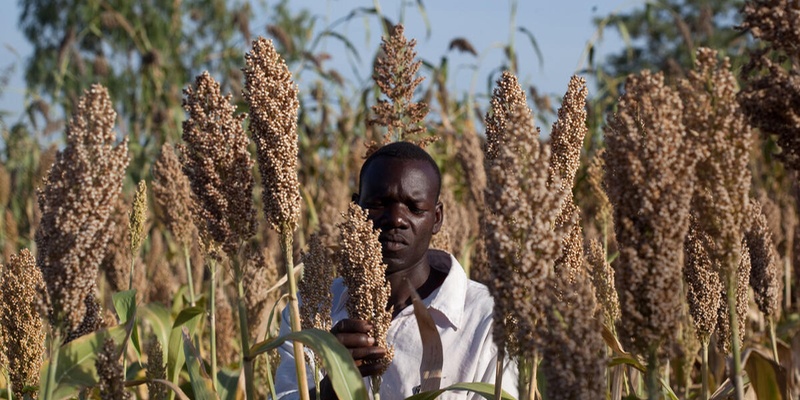
© FAO/ Swiatoslaw Wojtkowiak
Malí ha dado un paso importante hacia el fortalecimiento de su sistema de sanidad vegetal con la elaboración de una nueva estrategia fitosanitaria nacional diseñada para mejorar la prevención, vigilancia y respuesta ante plagas durante los próximos cinco años.
La estrategia se desarrolló mediante el proceso de Evaluación de la Capacidad Fitosanitaria (ECF) de la Secretaría de la Convención Internacional de Protección Fitosanitaria (CIPF), tras una solicitud de la Oficina de Protección Vegetal de Malí (OPV), la organización nacional de protección fitosanitaria (ONPF) del país. Con el apoyo del Programa de Resiliencia de los Sistemas Alimentarios en África Occidental, financiado por el Banco Mundial, la iniciativa tuvo como objetivo identificar las brechas del sistema fitosanitario de Malí y establecer acciones prioritarias para su fortalecimiento.
Para Malí, este proceso llegó en un momento importante. A medida que los países trabajan para reforzar sus sistemas agroalimentarios y responder a la creciente presión de las plagas, los sistemas fitosanitarios nacionales desempeñan un papel cada vez más relevante en la protección de la producción agrícola, la facilitación del comercio y el apoyo a la seguridad alimentaria.
De la evaluación a la estrategia
La ECF es un proceso liderado por los países, desarrollado para ayudarles a evaluar las fortalezas y brechas de sus sistemas fitosanitarios y alinear sus capacidades nacionales con las Normas Internacionales para Medidas Fitosanitarias (NIMF).
En colaboración con un facilitador de la ECF de la CIPF, Malí llevó a cabo una evaluación en diez áreas clave para la sanidad vegetal, incluyendo legislación fitosanitaria, diagnóstico de plagas, vigilancia fitosanitaria, análisis de riesgo de plagas, regulación de importaciones y certificación de exportaciones. Actores de todo el sistema fitosanitario nacional participaron en el proceso mediante una serie de talleres celebrados entre julio y diciembre de 2025.
Los talleres avanzaron progresivamente desde la identificación de desafíos hasta la definición de soluciones. Primero, los participantes analizaron las debilidades en los módulos seleccionados y, posteriormente, utilizaron herramientas de planificación estratégica para establecer prioridades de reforma e inversión.
Una hoja de ruta para los próximos cinco años
El resultado es un borrador de estrategia fitosanitaria nacional para el período 2026–2030, que fue presentado públicamente durante la 20.ª reunión de la Comisión de Medidas Fitosanitarias (CMF-20) en marzo de 2026.
Estructurada en torno a cuatro prioridades, la estrategia se centra en la actualización de la legislación fitosanitaria para alinearla mejor con los acuerdos internacionales, el fortalecimiento de los procesos operativos dentro de la ONPF, la mejora de los recursos y capacidades del personal, y el refuerzo de la comunicación y coordinación entre las partes interesadas.
Validada en diciembre de 2025 en presencia del ministro de Agricultura de Malí, Siméon Daniel Kéléma, la estrategia también está alineada con la agenda de desarrollo más amplia del país, “[Visión Malí 2063”, que incluye objetivos para fortalecer la soberanía alimentaria, mejorar la competitividad agroalimentaria y promover la resiliencia ambiental.
Perspectivas
Las plagas vegetales no respetan fronteras, y unos sistemas nacionales más sólidos son cada vez más importantes para ayudar a los países a anticipar, detectar y gestionar los riesgos antes de que se propaguen. En Malí, la nueva estrategia ofrece una hoja de ruta para fortalecer las capacidades fitosanitarias mediante inversiones específicas en legislación, operaciones, competencias y coordinación. Con un presupuesto estimado de implementación de aproximadamente 5,3 millones de USD (3.200 millones de francos CFA), la próxima fase se centrará en transformar la planificación en acción.
La experiencia de Malí destaca cómo el proceso ECF puede ayudar a los países a pasar de la evaluación a la implementación, apoyando la apropiación nacional y contribuyendo a construir sistemas de sanidad vegetal más sólidos y resilientes.
Otras iniciativas
Malí está reforzando aún más su sistema fitosanitario y desarrollando capacidades técnicas mediante enfoques científicos modernos y herramientas digitales para mejorar la vigilancia de plagas. A través del Programa fitosanitario africano (APP), coordinado por la Secretaría de la CIPF, Malí ha integrado el APP en sus programas nacionales, mejorando la vigilancia de plagas clave como la mosca de la fruta (Bactrocera spp.). Con una producción anual de alrededor de 800 000 toneladas de mango, que generan más de 30 millones de USD en exportaciones, la gestión eficaz de plagas y la trazabilidad son fundamentales. Las herramientas geoespaciales del APP permiten una mejor supervisión y proporcionan datos fiables en tiempo real para una toma de decisiones más inteligente en la gestión de plagas y el acceso sostenido a los mercados.
El enfoque de Malí es ejemplar por su inversión en vigilancia digital de plagas, su compromiso de completar un conjunto integral de módulos ECF, la transparencia en los resultados obtenidos y la demostración del valor y la eficacia del proceso como medio para atraer recursos adicionales que permitan implementar prioridades fitosanitarias definidas a nivel nacional.
Información relacionada:
DESTACADO: Malí refuerza su primera línea de protección frente a las plagas