

Ближний Восток и Северная Африка активизируют усилия по расширению цифровизации фитосанитарной сертификации
Posted on Пт, 05 Июн 2026, 16:18
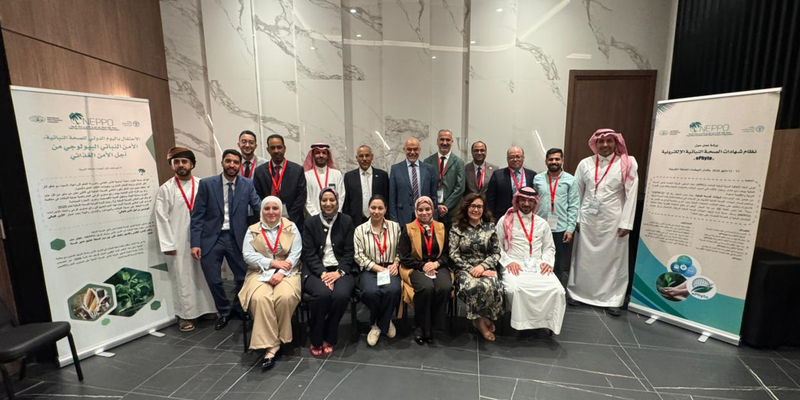
©Фотография любезно предоставлена
Касабланка, 12 мая 2026 года. Страны Ближнего Востока и Северной Африки (БВСА) активизируют усилия по внедрению Программного комплекса МККЗР по ЭФС – инновационной цифровой системы для гармонизированного обмена электронными фитосанитарными сертификатами между национальными организациями по карантину и защите растений (НОКЗР).
На региональном семинаре, прошедшем 11–12 мая в Касабланке, Марокко, более 100 (очно и онлайн) представителей НОКЗР и региональных органов, а также технических экспертов, собрались для оценки достигнутых результатов, обмена опытом внедрения и для обсуждения, каким образом страны могут перейти к обмену электронными фитосанитарными сертификатами в режиме реального времени. Семинар организовала Ближневосточная и североафриканская организация по карантину и защите растений (БВОКЗР) совместно с Секретариатом Международной конвенции по карантину и защите растений (МККЗР) и Региональным отделением Продовольственной и сельскохозяйственной организации Объединенных Наций на Ближнем Востоке и в Северной Африке (ФАО-БВСА).
Растущая популярность Программного комплекса МККЗР по ЭФС
Страны выразили заинтересованность в ЭФС, однако отметили ряд препятствий практического характера в части полномасштабного внедрения, включая недостаточную нормативно-правовую основу, слабое межведомственное взаимодействие, ограниченную техническую инфраструктуру и отсутствие надлежащего оборудования и соответствующей профессиональной подготовки.
Посредством цифровизации фитосанитарной сертификации в соответствии с Международным стандартом по фитосанитарным мерам (МСФМ) 12 (Фитосанитарные сертификаты) Программный комплекс МККЗР по ЭФС помогает странам заменить бумажные документы, способствуя тем самым сокращению затрат и административных процедур, повышению точности и предотвращению задержек и мошенничества в торговле растениями и растительными продуктами. При помощи МСФМ и ресурсов по вопросам применения МККЗР обеспечивает страны глобальным механизмом для безопасного и эффективного обмена фитосанитарными сертификатами в цифровом формате. На сегодняшний день более 100 стран по всему миру используют Программный комплекс МККЗР по ЭФС. Продавцы ежегодно экономят порядка 80 млн долларов США благодаря обмену, по текущему среднему показателю, приблизительно 250 000 сертификатов в месяц.
В ходе дискуссии рассматривался вопрос, стоит ли странам подключаться к узлу-концентратору ЭФС напрямую либо через обобщенную национальную систему ЭФС (GeNS) – платформу, готовую для использования НОКЗР, не располагающими национальными цифровыми системами. Также прошло обсуждение всего процесса внедрения ЭФС посредством стандартизированных гармонизированных потоков экспорта и импорта.
Разные этапы, общие проблемы
Ряд стран отметил уже достигнутые результаты.
В марте 2026 года Ирак подключился к системе ЭФС и в ближайшие месяцы планирует начать обучение в режиме онлайн. Саудовская Аравия подключится к узлу-концентратору ЭФС к концу 2026 года, в то время как Оман изучает поэтапный подход, который позволит ему одновременно использовать систему GeNS и разрабатывать долгосрочную национальную систему. Ливия и Объединенные Арабские Эмираты также выразили заинтересованность в подключении к Программному комплексу МККЗР по ЭФС, а Судан подал заявку на вводное руководство для запуска процесса.
Мавритания начала использовать систему GeNS в феврале 2026 года, что стало важным шагом для региона. Египет, Иордания, Марокко и Тунис также поделились национальным опытом, оказав помощь новым странам в улучшении понимания практических шагов, связанных с внедрением системы. К числу ярких примеров для стран, приближающихся к этапу внедрения, был отнесен опыт Туниса и Иордании в применении системы GeNS. Также был представлен опыт Марокко, связанный с подключением к узлу-концентратору через национальную систему «SIPS».
За рамками технологий
В ходе дискуссий страны призвали к более активной поддержке в части использования арабского языка, включая перевод методических материалов и руководств, а также арабоязычный интерфейс системы GeNS, чтобы сделать внедрение более доступным по всему региону. Кроме того, участники отметили значимость обмена знаниями, при этом ожидается, что страны, которые уже используют ЭФС, окажут поддержку странам, приступающим к внедрению.
Участники семинара подчеркнули важность усиления нормативно-правовой основы, разъясняющей институциональные функции, повышающей эффективность взаимодействия между ведомствами, отвечающими за торговлю и системы охраны здоровья растений, а также за оказание технической и практической поддержки, особенно в плане обсечения установки, работы и тестирования системы.
Что дальше
С учетом того, что страны продолжают расширять торговлю растениями и растительными продуктами, предполагается, что региональное сотрудничество в части цифровой сертификации станет играть еще более значимую роль в содействии безопасной торговле и в обеспечении снижения масштабов трансграничного распространения вредных для растений организмов.
В ближайшие месяцы ожидается, что техническая поддержка, обмен знаниями и планирование с учетом специфики стран поможет устранить нормативно-правовые, эксплуатационные и инфраструктурные пробелы. Для многих участников следующий этап ясен – преобразование региональной динамики в регулярный и надежный трансграничный обмен электронными сертификатами.
Соответствующая информация:
Публикация: Инвестирование в цифровизацию торговли: пример ЭФС
Готовится новая редакция МСФМ 12: Больше информации здесь