
logo IPPC
      FAQ            登录

New exhibition on the history and importance of maize opens at the FAO Museum to jumpstart plant health day

Posted on Wed, 29 Apr 2026, 12:33

Responsive image

© FAO/Cristiano Minichiello

Rome, 29 April 2026. Maize, a staple crop to millions, takes center stage in a new exhibition to kick off the observance of the International Day of Plant Health held on the 12th of May every year.

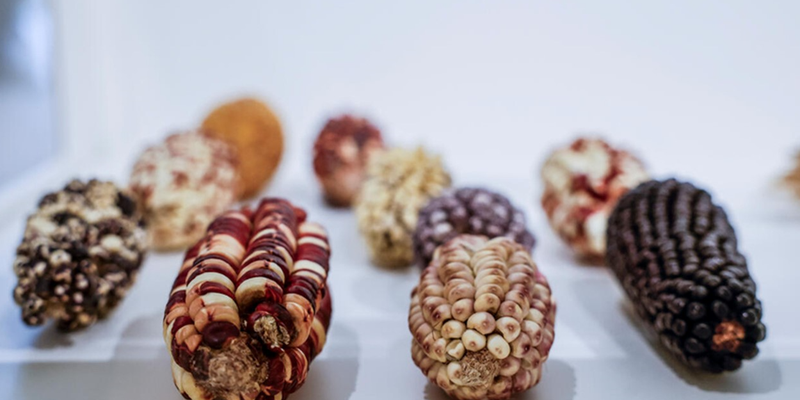
The Food and Agriculture Organization (FAO), through the International Plant Protection Convention (IPPC), launched the exhibition on the history of maize and the importance of protecting this “golden grain” from pests and diseases. Opened on 27 April at the FAO Museum and Networks (MuNE) in Rome, the exhibition, titled “Protecting maize, protecting life”, explores the deep cultural roots, global significance and the prevailing pest threats facing maize.

Pests such as the stem borer and diseases like maize lethal necrosis continue to peril this widely traded and consumed commodity. With more than 300 million people depending on the crop mostly from Latin America, Asia and Africa, highlighting public awareness to safeguard it from pests is imperative.

“Protecting crops like maize is central to FAO’s mandate”, said Chikelu Mba, Deputy Director of FAO Plant Production and Protection division. “Our work spans the entire continuum – from sustainable production systems and integrated pest management, to strengthen national capacities, early warning, and resilience at field level”, he added.

Through art, cultural narratives and scientific insight, the exhibition traces maize’s journey from its domestication more than 8 000 years ago in Mexico to its role today as a global crop. Visitors are invited to discover maize’s extraordinary diversity, sustainable farming traditions, culinary uses and symbolic value across cultures, while also learning about the threats posed by pests, diseases and the impacts of climate change.

enter image description here

© FAO/Cristiano Minichiello

Speaking at the launch, Her Excellency Ambassador Laura Elena Carrillo Cubillas, from the Permanent Mission of Mexico to UN agencies based in Rome, highlighted the profound cultural and spiritual bond between maize and Mexican civilization, as well as its importance for food security worldwide.

She stressed that maize’s value extends far beyond culture. “Maize is essential for food security. It provides vital energy, nutrition and livelihoods for millions all over the world,” she said. “Let us not take this heritage for granted. Protecting plant health is not only a technical necessity, but also the best way to preserve our cultural legacy against the threats of invasive pests and diseases”.

Calling for continued collaboration, the Ambassador added: “Let this exhibition be the beginning of a strengthened partnership to make sure that maize can keep on being at the center of our civilizations for millennia to come”. She also extended thanks to Diana Beltrán, a Mexican chef based in Italy, for her commitment to promoting Mexico’s culinary culture internationally.

“Plant health is often invisible when it works, yet essential to everything we depend on. This exhibition uses maize to make that invisible work visible – showing why prevention, early action and international cooperation are central to protecting food security, livelihoods and life itself”, added Adriana G. Moreira, FAO Programme Officer and IPPC Secretariat Officer-in-Charge for the Integration and Support Team.

A first inter-museum collaboration

The maize exhibition marks a significant milestone for the FAO MuNE as its first collaboration with another cultural institution, developed in partnership with the Cultural Institute of Mexico in Paris. The collaboration highlights the central role of maize in Mexican history and identity, while emphasizing its importance as a shared global heritage. The exhibition is curated by Serge Bahuchet, Professor Emeritus at the University of Paris.

Clara Velez Fraga, Senior Communication Officer at FAO, said, “The FAO Museum, which opened to the public a few months ago, has already welcomed more than 22 000 visitors. Through the language of art and culture, the museum works to convey and amplify FAO’s mission, making global issues related to food, agriculture and sustainability accessible to a broad audience”.

Mba concluded, “As we mark International Day of Plant Health 2026, I invite all visitors to reflect on what each of us can do, whether as consumers, professionals or policymakers, to prevent the spread of plant pests and to safeguard crops like maize for future generations”.

“Protecting Maize, Protecting Life” is free and open to FAO staff, delegates, students and the public until 13 May 2026. Book your visit here.

Share this news

Subscribe

  • Don't miss the latest News

    If you have already an IPP account LOGIN to subscribe.

    If you don't have an IPP account first REGISTER to subscribe.

Subscribe to the IPPC Newsletter